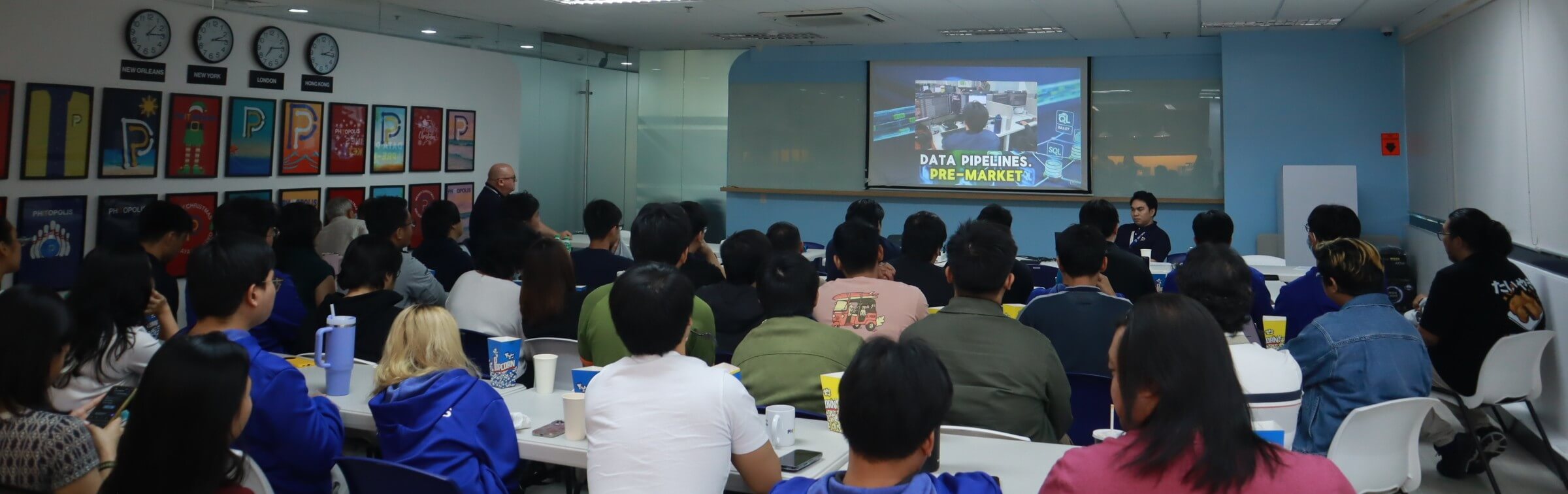
AI Day 2.0 kicked off the best way possible, with popcorn, juice, and a room full of curious minds ready to explore how AI is shaping the way we work.
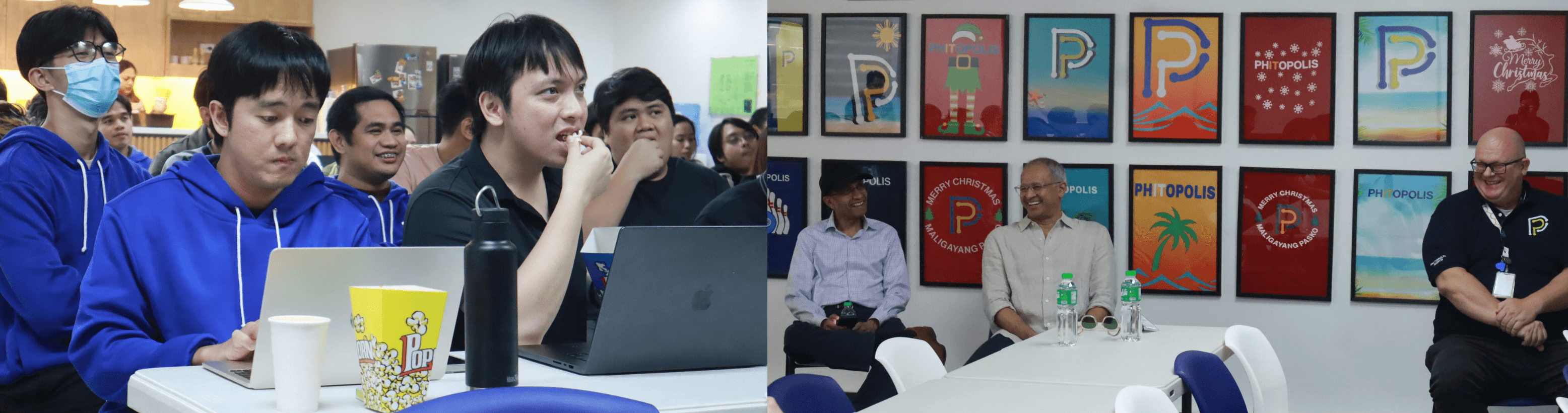
The CTO opened the event by grounding everyone in a powerful idea. AI is no longer something we plan for in the future. It is already here, actively helping teams become faster, more efficient, and more focused on meaningful work.
The event flowed into a video presentation that showed how AI is being integrated across workflows. From automating repetitive tasks to coordinating complex processes, AI is starting to look less like a tool and more like a collaborator.
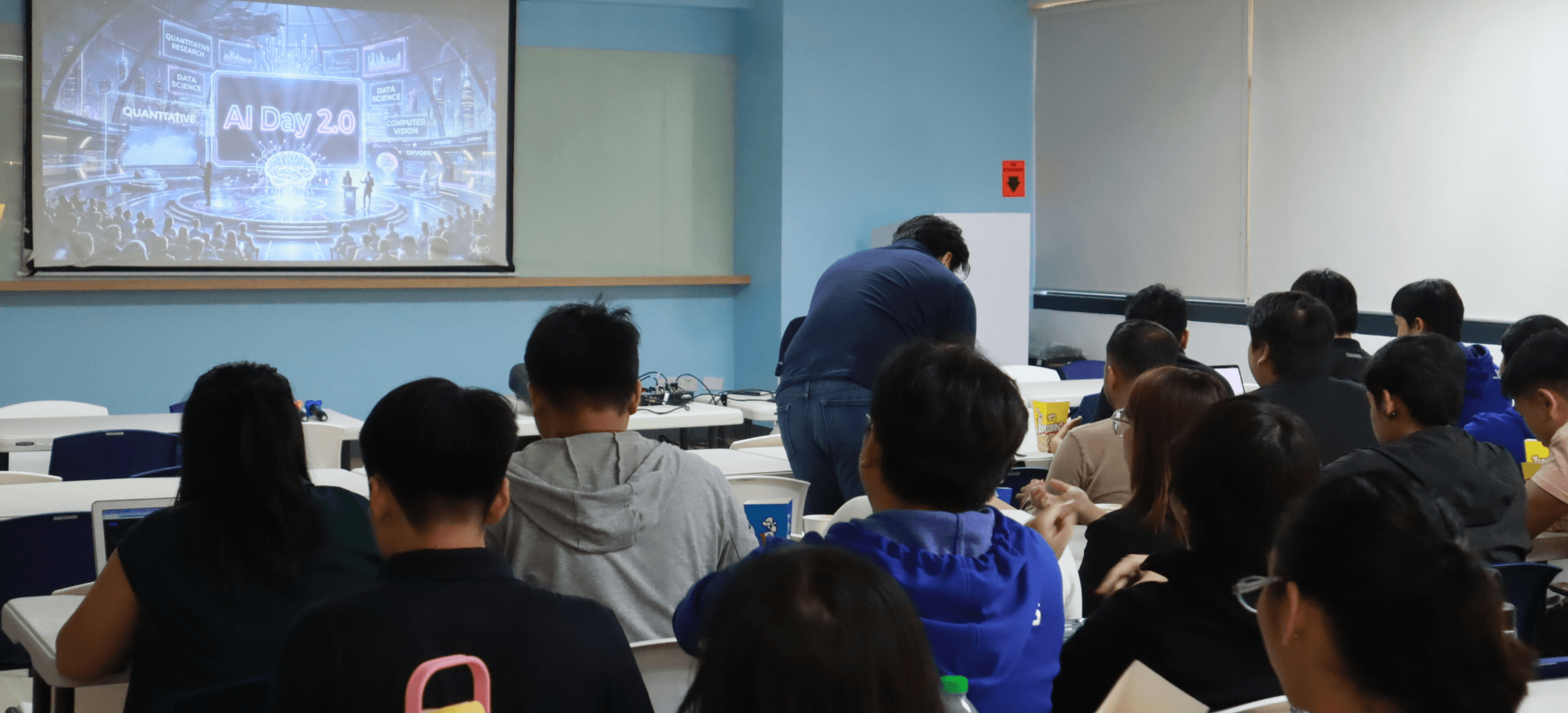
One of the biggest highlights was the shift toward multi-agent systems. Instead of relying on a single model, teams are building groups of specialized AI agents that handle specific responsibilities. Some focus on implementation, others on quality checks, while another manages deployment readiness. An orchestrator ties everything together, distributing tasks and keeping the entire process in sync. It is essentially a full team setup, just powered by AI.
Even code reviews have evolved. Feedback is no longer vague or purely observational. AI can now classify issues, explain them clearly, and suggest concrete fixes directly in the relevant lines of code. It turns what used to be a back-and-forth process into something more immediate and actionable.
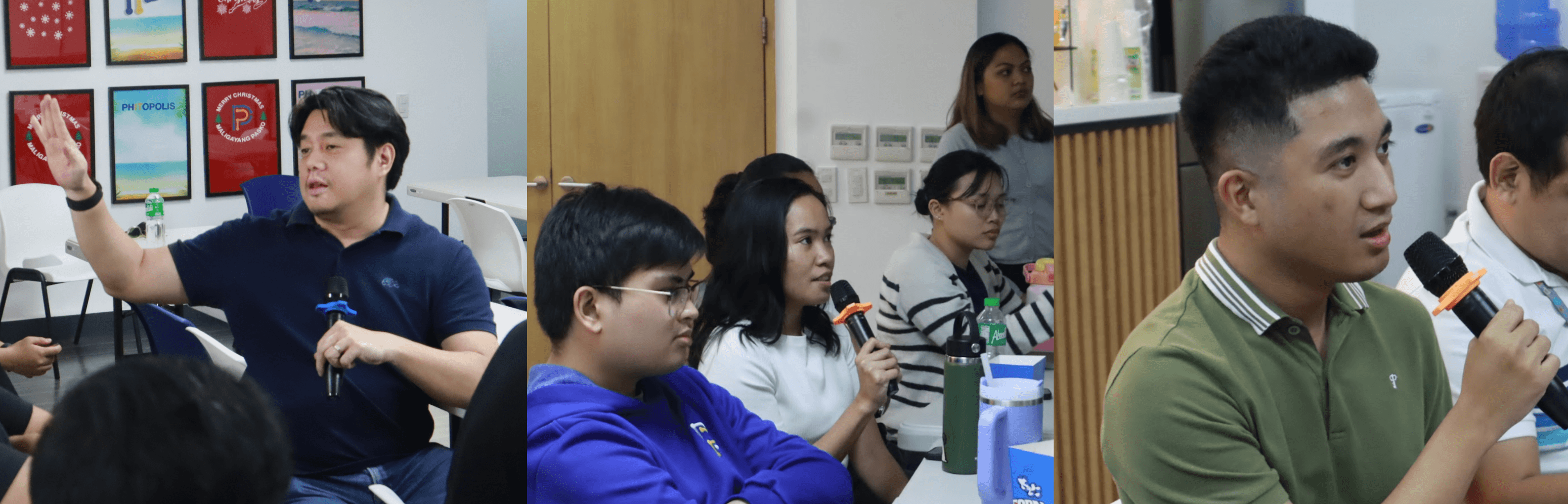
Naturally, questions around accuracy and reliability came up. The approach is not blind trust but structured guidance. By using clear acceptance criteria, real data samples, and domain-specific context, teams are able to guide AI toward more reliable outputs. Human validation still plays an important role, especially for more nuanced decisions, but a large portion of repetitive work is now handled with greater speed and consistency.
Another noticeable shift is the move toward standardization. Instead of building separate solutions for every task, teams are creating reusable frameworks and automated pipelines. This makes delivery faster, reduces inconsistencies, and allows systems to scale without adding unnecessary complexity.
When it comes to idea generation, AI is being used to filter and refine rather than replace human thinking. By gathering inputs from various sources and scoring them based on practicality and potential impact, it helps teams focus on ideas that are actually worth pursuing. The decision-making still rests with people, but with better insights and less noise.
By the end of the event, one thing stood out clearly. AI is not just helping improve existing workflows. It is reshaping how work happens from the ground up.